A drawing that calls for “carbon/glass sleeve” still leaves several questions for the supplier. How much of each fiber belongs in the braid? What diameter will the sleeve have after it is fitted to the core? Which direction must the reinforcement follow? The answers affect the textile you order and the laminate you can make from it.
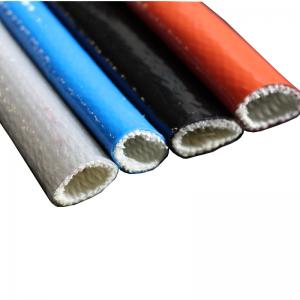
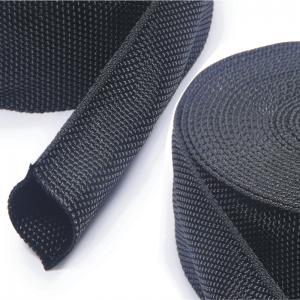
Fiberglass Carbon Hybrid Sleeving combines carbon and glass yarns in a tubular braid. It is a dry reinforcement for a resin-impregnated composite, with the diameter, braid angle and fiber ratio specified for the project. Use the part drawing and processing method to define those details before choosing a sample.
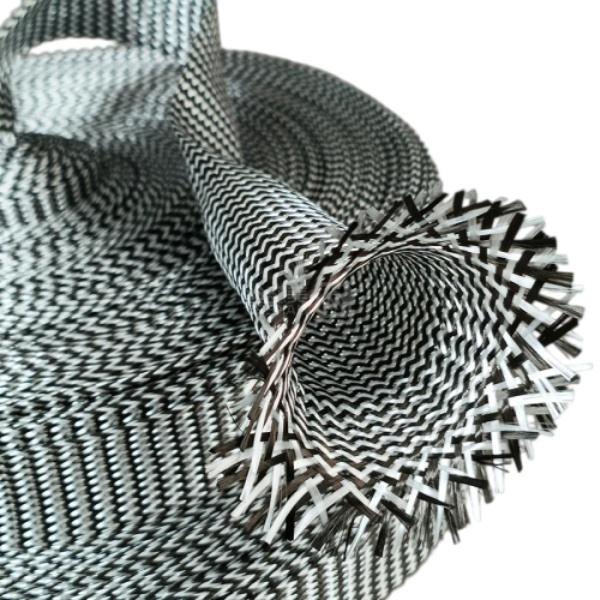
Identify the loads that the finished tube must carry and the role of the hybrid layer in the laminate. A braided sleeve places its yarns diagonally around the core. Its installed angle can change when the braid expands over a larger section or contracts over a smaller one. A design that needs substantial lengthwise reinforcement may need another layer with axial fibers. A design controlled by torsion, bending or local impact requires its own layup and test plan.
The carbon and glass yarns can be arranged in different proportions and braid patterns. Their presence in one tube does not establish the stiffness, impact performance or fatigue life of the cured part. Those properties depend on the complete laminate, including the fiber arrangement, resin, fiber volume, manufacturing quality and test conditions. Define the required performance at part level, then compare candidate textile constructions against it.
“Half carbon, half glass” could mean equal numbers of yarn carriers, equal dry fiber mass or an alternating visual pattern. These are different instructions. State whether your drawing controls the carbon-to-glass ratio by weight, yarn count or a prescribed layout. If appearance matters on the finished surface, identify the face that will remain visible and provide a sample or marked drawing.
Give the supplier any specified yarn grade, tow size, glass type, target dry weight and permitted variation. Ask which properties are measured on the relaxed sleeve and which are quoted at a defined installed diameter. If the requested mix is a development target rather than an approved specification, say so. That allows the sample program to compare constructions without treating an untested ratio as final.
For a straight tube, provide the outside diameter of the surface that will receive the sleeve and the length to be covered. For a tapered or stepped core, mark the smallest and largest diameters, transition lengths and shoulders. Include any fitting the dry braid must pass over, even when that fitting lies beyond the finished reinforcement area.
Fit a short sample to the actual core or a representative mandrel. A sleeve that passes over the widest point may sit differently on a narrower section. Check for open areas, bunched yarns, uneven carbon/glass distribution and changes in braid angle. Mark the installed start and end positions, then measure the dry length consumed. This measurement is more useful for a production cut-length decision than the nominal tube length alone.
Tell the supplier whether the sleeve will be hand laid, vacuum infused or used in another approved process. Name the resin system and identify the other plies that will sit beneath or above the braid. Confirm yarn sizing and wet-out with the selected resin. A dry-fit check shows how the textile sits on the core; it cannot show how the cured laminate will perform.
Make one trial part using the proposed layup. Record the installed braid position, resin uptake, areas that are difficult to wet, visible gaps and the condition of cut ends. After cure, inspect the part against the drawing and the project's acceptance tests. When comparing two fiber mixes, keep the core geometry and processing conditions consistent so the trial tells you something useful about the textile change.
An OEM inquiry for hybrid sleeving should include:
If the approved design calls for a braid made only from carbon yarn, see the Carbon Fiber Braided Sleeves product page. If it calls mainly for fibers running along the tube, the Unidirectional Carbon Fiber Sleeve is a different reinforcement architecture. Choose the construction from the laminate drawing and test results, not from the similarity of the product names.
Send the drawing, proposed fiber mix and process details to BSTFLEX. We can review the requested diameter, braid construction and supply format for a sample. Approve the dry fit and the processed trial before fixing the production specification. The Fiberglass Carbon Hybrid Sleeving product page is the starting point for a technical inquiry.

 English
 français
 Deutsch
 русский
 italiano
 español
 português
 Nederlands
 العربية
 日本語
 한국의
 Türkçe
 Tiếng Việt
 slovenský
 Indonesia